Wednesday, 13 January 2016

সুন্দরবন (Sundarbans)

সুন্দরবন বঙ্গোপসাগর উপকূলবর্তী প্রশস্ত বনভূমি যা বিশ্বের প্রাকৃতিক বিস্ময়াবলীর অন্যতম। পদ্মামেঘনা ও ব্রহ্মপুত্র নদীত্রয়ের অববাহিকায় বদ্বীপ এলাকায় অবস্থিত এই অপরূপ বনভূমিবাংলাদেশের খুলনাসাতক্ষীরাবাগেরহাটপটুয়াখালি ও বরগুনাজেলা জুড়ে বিস্তৃত। সমুদ্র উপকূলবর্তী নোনা পরিবেশের সবচেয়ে বড়ম্যানগ্রোভ বন হিসেবে সুন্দরবন বিশ্বের সর্ববৃহৎ অখণ্ড বনভূমি।। ১০,০০০ বর্গ কিলোমিটার জুড়ে গড়ে ওঠা সুন্দরবনের ৬,০১৭ বর্গ কিলোমিটার রয়েছে বাংলাদেশে।সুন্দরবন ১৯৯৭ খ্রিস্টাব্দেইউনেস্কো বিশ্ব ঐতিহ্যবাহী স্থান হিসেবে স্বীকৃতি লাভ করে। এর বাংলাদেশ ও ভারতীয় অংশ বন্তুত একই নিরবচ্ছিন্ন ভূমিখণ্ডের সন্নিহিত অংশ হলেও ইউনেস্কোর বিশ্ব ঐতিহ্যের তালিকায় ভিন্ন ভিন্ন নামে সূচিবদ্ধ হয়েছে যথাক্রমে সুন্দরবন ও সুন্দরবন জাতীয় উদ্যাননামে। সুন্দরবনকে জালের মত জড়িয়ে রয়েছে সামুদ্রিক স্রোতধারা, কাদা চর এবং ম্যানগ্রোভ বনভূমির লবণাক্ততাসহ ক্ষুদ্রায়তন দ্বীপমালা। মোট বনভূমির ৩১.১ শতাংশ, অর্থাৎ ১,৮৭৪ বর্গকিলোমিটার জুড়ে রয়েছে নদীনালা, খাঁড়ি, বিল মিলিয়ে জলাকীর্ণ অঞ্চল।


বনভূমিটি, স্বনামে বিখ্যাত রয়েল বেঙ্গল টাইগার ছাড়াও নানান ধরণের পাখি, চিত্রা হরিণকুমির ও সাপসহ অসংখ্য প্রজাতির প্রাণীর আবাসস্থল হিসেবে পরিচিত। জরিপ মোতাবেক ৫০০ বাঘ ও ৩০,০০০ চিত্রা হরিণ রয়েছে এখন সুন্দরবন এলাকায়। ১৯৯২ সালের ২১শে মে সুন্দরবন রামসার স্থান হিসেবে স্বীকৃতি লাভ করে। Read more


More picture by সুন্দরবন


The Sundarbans (Bengaliসুন্দরবনShundorbôn) is a natural region comprising southern Bangladesh and a small part in Eastern India. It is the largest single block of tidal halophytic mangrove forest in the world. The Sundarbans covers approximately 10,000 square kilometres (3,900 sq mi) most of which is in Bangladesh with the remainder in India. The Sundarbans is a UNESCO World Heritage Site.[5]
Sundarbans SouthEast and West are three protected forests in Bangladesh. This region is densely covered by mangroveforests, and is the largest reserves for the Bengal tiger. The Sundarbans National Park is a National ParkTiger Reserve, and aBiosphere Reserve located in the Sundarbans delta in the Indian state of West Bengal.Read more


Tuesday, 12 January 2016

বাংলাদেশের স্বাধীনতা যুদ্ধ (Bangladesh Liberation War)

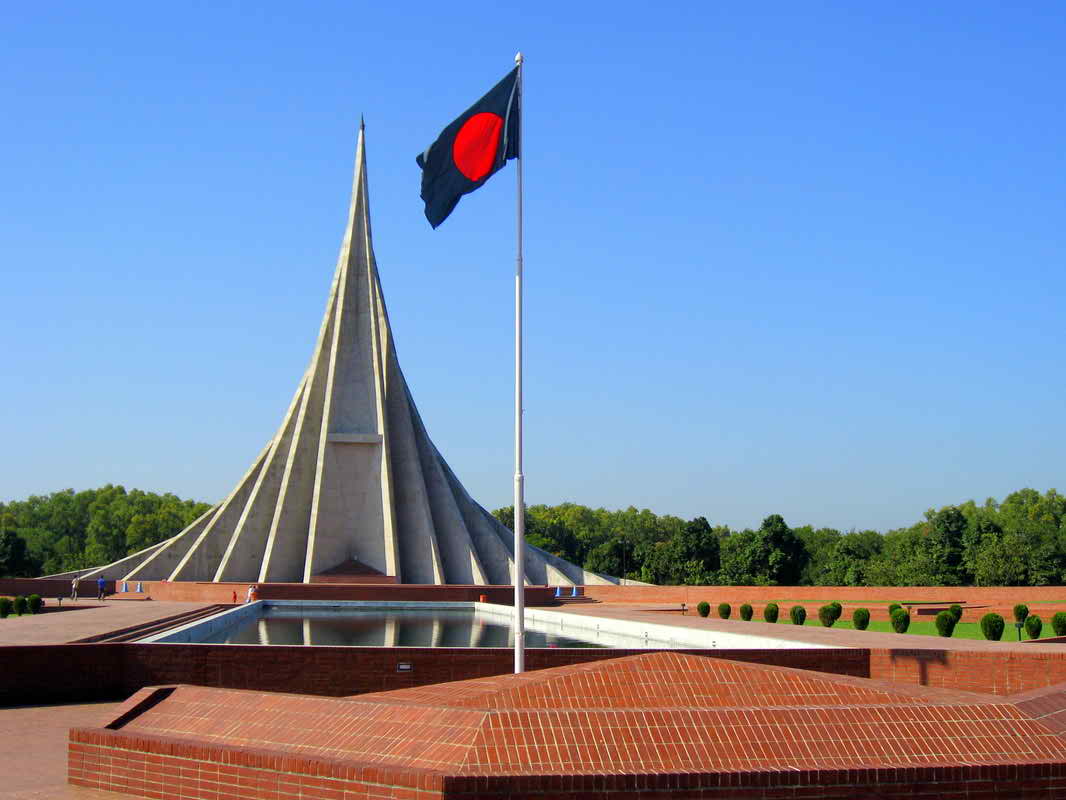
বাংলাদেশের স্বাধীনতা যুদ্ধ ছিল ১৯৭১ সালে সংঘটিত তৎকালীন পশ্চিম পাকিস্তানের বিরুদ্ধে পূর্ব পাকিস্তানের সশস্ত্র সংগ্রাম, যার মাধ্যমে বাংলাদেশ একটি স্বাধীন দেশ হিসাবে পৃথিবীর মানচিত্র আত্মপ্রকাশ করে। ১৯৭১ সালের ২৫শে মার্চ রাতের অন্ধকারে পাকিস্তানি সামরিক বাহিনী পূর্ব পাকিস্তানে বাঙালি নিধনে ঝাঁপিয়ে পড়লে একটি জনযুদ্ধের আদলে মুক্তিযুদ্ধ তথা স্বাধীনতা যুদ্ধের সূচনা ঘটে। পঁচিশে মার্চের কালো রাতে পাকিস্তানি সামরিক জান্তা ঢাকায় অজস্র সাধারণ নাগরিক, ছাত্র, শিক্ষক, বুদ্ধিজীবী, পুলিশ হত্যা করে। গ্রেফতার করা হয় ১৯৭০ সালের সাধারণ নির্বাচনে নিরঙ্কুশ সংখ্যাগরিষ্ঠতাপ্রাপ্ত দল আওয়ামী লীগ প্রধান বাঙ্গালীর তৎকালীন প্রিয় নেতা বঙ্গবন্ধু শেখ মুজিবুর রহমানকে। গ্রেফতারের পূর্বে ২৬শে মার্চের প্রথম প্রহরে তিনি বাংলাদেশের স্বাধীনতার ঘোষণা দেন।
পরিকল্পিত গণহত্যার মুখে সারাদেশে শুরু হয়ে যায় প্রতিরোধযুদ্ধ; জীবন বাঁচাতে প্রায় ১ কোটি মানুষ পার্শ্ববর্তী দেশ ভারতে আশ্রয় গ্রহণ করে। পাকিস্তানি সামরিক বাহিনীর ইস্ট বেঙ্গল রেজিমেন্ট, ইস্ট পাকিস্তান রাইফেলস (ইপিআর), ইস্ট পাকিস্তান পুলিশ, সামরিক বাহিনীর বাঙ্গালী সদস্য এবং সর্বোপরি বাংলাদেশের স্বাধীনতাকামী সাধারণ মানুষ দেশকে পাকিস্তানি সামরিক বাহিনীর কব্জা থেকে মুক্ত করতে কয়েক মাসের মধ্যে গড়ে তোলে মুক্তিবাহিনী। গেরিলা পদ্ধতিতে যুদ্ধ চালিয়ে মুক্তিবাহিনী সারাদেশে পাকিস্তানী হানাদার বাহিনীকে ব্যতিব্যস্ত করে তোলে। মুক্তিযুদ্ধ চলাকালীন সময়ে বাংলাদেশ ভারতের কাছ থেকে অর্থনৈতিক, সামরিক ও কূটনৈতিক সাহায্য লাভ করে। ডিসেম্বরের শুরুর দিকে
যখন পাকিস্তানি সামরিক বাহিনীর পতন আনিবার্য হয়ে ওঠে, তখন পরিস্থিতিকে ভিন্ন খাতে প্রবাহিত করতে পাকিস্তান ভারতের বিরুদ্ধে যুদ্ধ ঘোষণা করে।
অত:পর ভারত বাংলাদেশের স্বাধীনতা যুদ্ধে সরাসরিভাবে জড়িয়ে পড়ে। মুক্তিবাহিনী ও ভারতীয় সামরিক বাহিনীর সম্মিলিত আক্রমণের মুখে ইতোমধ্যে পর্যদুস্ত ও হতোদ্যম পাকিস্তানী সামরিক বাহিনী আত্মসমর্পণের সিদ্ধান্ত গ্রহণ করে। ১৬ই ডিসেম্বর ঢাকার রেসকোর্স ময়দানে পাকিস্তান ৯৩,০০০ হাজার সৈন্যসহ আনুষ্ঠানিকভাবে আত্মসমর্পণ করে। এরই মাধ্যমে নয় মাস ব্যাপী রক্তক্ষয়ী মুক্তিযুদ্ধের অবসান হয়; প্রতিষ্ঠিত হয় বাঙ্গালী জাতির প্রথম স্বাধীন রাষ্ট্র বাংলাদেশ  ] Read more


The Bangladesh Liberation War (Bengaliমুক্তিযুদ্ধ Muktijuddho), also known as the Bangladesh War of Independence, or simply the Liberation War in Bangladesh, was a revolution and armed conflict sparked by the rise of the Bengali nationalistand self-determination movement in East Pakistan and the 1971 Bangladesh genocide. It resulted in the independence of thePeople's Republic of Bangladesh. The war began after the Pakistani military junta based in West Pakistan launched Operation Searchlight against the people of East Pakistan on the night of 25 March 1971. It pursued the systematic elimination of nationalist Bengali civilians, students, intelligentsia, religious minorities and armed personnel. The junta annulled the results of the 1970 elections and arrested Prime Minister-elect Sheikh Mujibur Rahman.
Rural and urban areas across East Pakistan saw extensive military operations and air strikes to suppress the tide of civil disobedience that formed following the 1970 election stalemate. The Pakistan Army created radical religious militias - theRazakarsAl-Badr and Al-Shams- to assist it during raids on the local populace. Members of the Pakistani military and supporting militias engaged in mass murder, deportation and genocidal rape. The capital Dacca was the scene of numerous massacres, including the Dacca University killings. An estimated 10 million Bengali refugees fled to neighboring India, while 30 million were internally displaced.[14] Sectarian violence broke out between Bengalis and Urdu-speaking immigrants. An academic consensus prevails that the atrocities committed by the Pakistani military were a genocide.
The Bangladeshi Declaration of Independence was proclaimed from Chittagong by members of the Mukti Bahini- the national liberation army formed by Bengali military, paramilitary and civilians. The East Bengal Regiment and the East Pakistan Riflesplayed a crucial role in the resistance. Led by General M. A. G. Osmani and eleven sector commanders, the Bangladesh Forces waged a mass guerrilla war against the Pakistani military. They liberated numerous towns and cities in the initial months of the conflict. The Pakistan Army regained momentum in the monsoon. Bengali guerrillas carried out widespread sabotage, including Operation Jackpot against the Pakistan Navy. The nascent Bangladesh Air Force flew sorties against Pakistani military bases. By November, the Bangladesh Forces restricted the Pakistani military to its barracks during the night. They secured control of most parts of the countryside.[15]
The Provisional Government of Bangladesh was formed on 17 April 1971 in Mujibnagar and moved to Calcutta as agovernment in exile. Bengali members of the Pakistani civil, military and diplomatic corps defected to the Bangladeshi provisional government. Thousands of Bengali families were interned in West Pakistan; from where many escaped toAfghanistan. Bengali cultural activists operated the clandestine Free Bengal Radio Station. The plight of millions of war ravaged Bengali civilians caused worldwide outrage and alarm. The Indian state led by Indira Gandhi provided substantial diplomatic, economic and military support to Bangladeshi nationalists. British, Indian and American musicians organized theworld's first benefit concert in New York to support the Bangladeshi people. Senator Ted Kennedy in the United States led a congressional campaign for an end to Pakistani military persecution; while US diplomats in East Pakistan strongly dissentedwith the Nixon administration's close ties to the Pakistani military dictator Yahya Khan.
India joined the war on 3 December 1971, after Pakistan launched preemptive air strikes on North India. The subsequentIndo-Pakistani War witnessed engagements on two war fronts. With air supremacy achieved in the eastern theatre; and the rapid advance of the Allied Forces of Bangladesh and India, Pakistan surrendered in Dacca on 16 December 1971.
The war changed the geopolitical landscape of South Asia, with the emergence of Bangladesh as the seventh-most populous country in the world. Due to complex regional alliances, the war was a major episode in Cold War tensions involving the United States, the Soviet Union and the People's Republic of China. The majority of member states in the United Nations. Read more

Monday, 11 January 2016

বাংলা ভাষা আন্দোলন (Bengali Language Movement)

বাংলা ভাষা আন্দোলন ছিল তদানীন্তন পূর্ব পাকিস্তানে (বর্তমান বাংলাদেশ) সংঘটিত একটি সাংস্কৃতিক ও রাজনৈতিক আন্দোলন। মৌলিক অধিকার রক্ষাকল্পে বাংলা ভাষাকে ঘিরে সৃষ্ট এ আন্দোলনের মাধ্যমে তৎকালীন পাকিস্তানের অন্যতম রাষ্ট্রভাষা হিসেবে প্রতিষ্ঠার লক্ষ্যে গণ দাবীর বহিঃপ্রকাশ ঘটে। ১৯৫২ সালের ২১ ফেব্রুয়ারিতে এ আন্দোলন চূড়ান্ত রূপ ধারণ করলেও বস্তুত এর বীজ বপিত হয়েছিল বহু আগে, অন্যদিকে এর প্রতিক্রিয়া এবং ফলাফল ছিল সুদূরপ্রসারী।
১৯৪৭ সালে দ্বিজাতি তত্ত্বের ভিত্তিতে ব্রিটিশ ভারত ভাগ হয়ে পাকিস্তানের উদ্ভব হয়। কিন্তু পাকিস্তানের দু’টি অংশ - পূর্ব পাকিস্তান এবং পশ্চিম পাকিস্তানের মধ্যে সাংস্কৃতিক, ভৌগোলিক ও ভাষাগত দিক থেকে অনেক মৌলিক পার্থক্য বিরাজ করছিল। ১৯৪৮ সালে পাকিস্তান সরকার ঘোষণা করে যে, উর্দুই হবে পাকিস্তানের একমাত্র রাষ্ট্রভাষা। এ ঘোষণার প্রেক্ষাপটে পূর্ব পাকিস্তানে অবস্থানকারী বাংলাভাষী সাধারণ জনগণের মধ্যে গভীর ক্ষোভের জন্ম হয় ও বিরূপ প্রতিক্রিয়ার সৃষ্টি করে। কার্যতঃ পূর্ব পাকিস্তান অংশের বাংলাভাষী মানুষ আকস্মিক ও অন্যায্য এ সিদ্ধান্তকে মেনে নিতে পারেনি এবং মানসিকভাবে মোটেও প্রস্তুত ছিল না। ফলস্বরূপ বাংলাভাষার সম-মর্যাদার দাবিতে পূর্ব পাকিস্তানে আন্দোলন দ্রুত দানা বেঁধে ওঠে। আন্দোলন দমনে পুলিশ ১৪৪ ধারা জারি করে ঢাকা শহরে সমাবেশ-মিছিল ইত্যাদি বে-আইনী ও নিষিদ্ধ ঘোষণা করে।
১৯৫২ সালের ২১ ফেব্রুয়ারি (৮ ফাল্গুন ১৩৫৮) এ আদেশ অমান্য করে ঢাকা বিশ্ববিদ্যালয়ের বহু সংখ্যক ছাত্র ও প্রগতিশীল কিছু রাজনৈতিক কর্মী মিলে মিছিল শুরু করেন। মিছিলটি ঢাকা মেডিক্যাল কলেজের কাছাকাছি এলে পুলিশ ১৪৪ ধারা অবমাননার অজুহাতে আন্দোলনকারীদের ওপর গুলিবর্ষণ করে। গুলিতে নিহত হন রফিক[১]সালামবরকত-সহ[২][৩] আরও অনেকে। শহীদদের রক্তে রাজপথ রঞ্জিত হয়ে ওঠে। শোকাবহ এ ঘটনার অভিঘাতে সমগ্র পূর্ব পাকিস্তানে তীব্র ক্ষোভ ছড়িয়ে পড়ে।
ক্রমবর্ধমান গণআন্দোলনের মুখে পাকিস্তানের কেন্দ্রীয় সরকার শেষাবধি নতি স্বীকার করতে বাধ্য হয় এবং ১৯৫৬ সালে সংবিধান পরিবর্তনের মাধ্যমে বাংলা ভাষাকে পাকিস্তানের অন্যতম রাষ্ট্রভাষার স্বীকৃতি প্রদান করে। ২০০০ সালে ইউনেস্কো বাংলা ভাষা আন্দোলন, মানুষের ভাষা এবং কৃষ্টির অধিকারের প্রতি সম্মান জানিয়ে ২১ ফেব্রুয়ারিকে আন্তর্জাতিক মাতৃভাষা দিবস হিসেবে ঘোষণা করে যা বৈশ্বিক পর্যায়ে সাংবার্ষিকভাবে গভীর শ্রদ্ধা ও যথাযোগ্য মর্যাদার সাথে উদযাপন করা হয়।Read More

The Bengali Language Movement, also known as the Language Movement (Bengaliভাষা আন্দোলন Bhasha Andolôn), was a political movement in former East Bengal (today Bangladesh) advocating the recognition of the Bengali language as an official language of the then-Dominion of Pakistan in order to allow its use in government affairs, the continuation of its use as a medium of education, its use in media, currency and stamps, and to maintain its writing in the Bengali script.
When the Dominion of Pakistan was formed by the partition of India in 1947, it was composed of various ethnic and linguistic groups, with the geographically non-contiguous East Bengal province (that was renamed in 1956 as East Pakistan) having a mainly Bengalipopulation. In 1948, the Government of the Dominion of Pakistan ordained Urdu as the sole national language, sparking extensive protests among the Bengali-speaking majority of East Bengal. Facing rising sectarian tensions and mass discontent with the new law, the government outlawed public meetings and rallies. The students of the University of Dhaka and other political activists defied the law and organised a protest on 21 February 1952. The movement reached its climax when police killed student demonstrators on that day. The deaths provoked widespread civil unrest. After years of conflict, the central government relented and granted official status to the Bengali language in 1956. In 1999, UNESCO declared 21 February as International Mother Language Day,[1] in tribute to the Language Movement and the ethno-linguistic rights of people around the world.
The Language Movement catalysed the assertion of Bengali national identity in East Bengal and later East Pakistan, and became a forerunner to Bengali nationalist movements, including the 6-Point Movement and subsequently the Bangladesh Liberation War andIndo-Pakistani War of 1971. In Bangladesh, 21 February is observed as Language Movement Day, a national holiday. The Shaheed Minar monument was constructed near Dhaka Medical College in memory of the movement and its victims.


Beautiful Bangladesh Picture


See more picture